Live Sound vs Studio Recording: Key Differences
Live Sound vs Studio Recording: What's the Difference?
A band can sound balanced during rehearsal but still need a different approach when recording a song. That is because helping musicians hear one another in real time is different from capturing audio for a finished production.
Live sound focuses on delivering clear, balanced audio during rehearsals and performances. Studio recording focuses on capturing audio that can be edited, mixed and prepared for release. Both involve microphones, audio equipment and monitoring, but the engineer's priorities depend on what the session needs to achieve.
Understanding the difference helps musicians choose the right setup for rehearsals, events and music production.
What Is Live Sound?
Live sound involves managing audio so performers and audiences can hear vocals and instruments clearly in real time. It is used during band rehearsals, concerts, worship services and other events involving amplified sound.
The engineer balances sound sources, adjusts levels, manages monitoring and addresses issues such as feedback. The room, speaker positions, instrument volume and microphone placement all influence the result.
For example, if a vocalist struggles to hear themselves during band rehearsal, turning up the microphone may not solve the problem. The engineer needs to consider whether the instruments are too loud, the monitor mix needs adjustment or the microphone is picking up sound from nearby speakers.
The goal is not simply to make everything louder. It is to achieve a clear, workable balance.
What Is Studio Recording?
Studio recording involves capturing vocals, instruments or complete performances for a music or audio production. The aim is to obtain recordings that can be edited and refined before they are released.
The engineer considers microphone placement, recording levels, room acoustics and unwanted noise. These decisions matter because problems such as distortion or excessive sound leakage may be difficult to correct completely after recording.
Once the audio is captured, the tracks can be edited and mixed. Mastering may then be used to prepare the final mix for its intended distribution.
Studio recording is commonly used for singles, EPs, albums, voiceovers and podcasts.
Live Sound vs Studio Recording: The Main Differences
- Purpose
Live sound helps performers and audiences hear the audio clearly as it happens. Studio recording captures audio for further production, giving the engineer more opportunities to refine individual elements.
- Environment
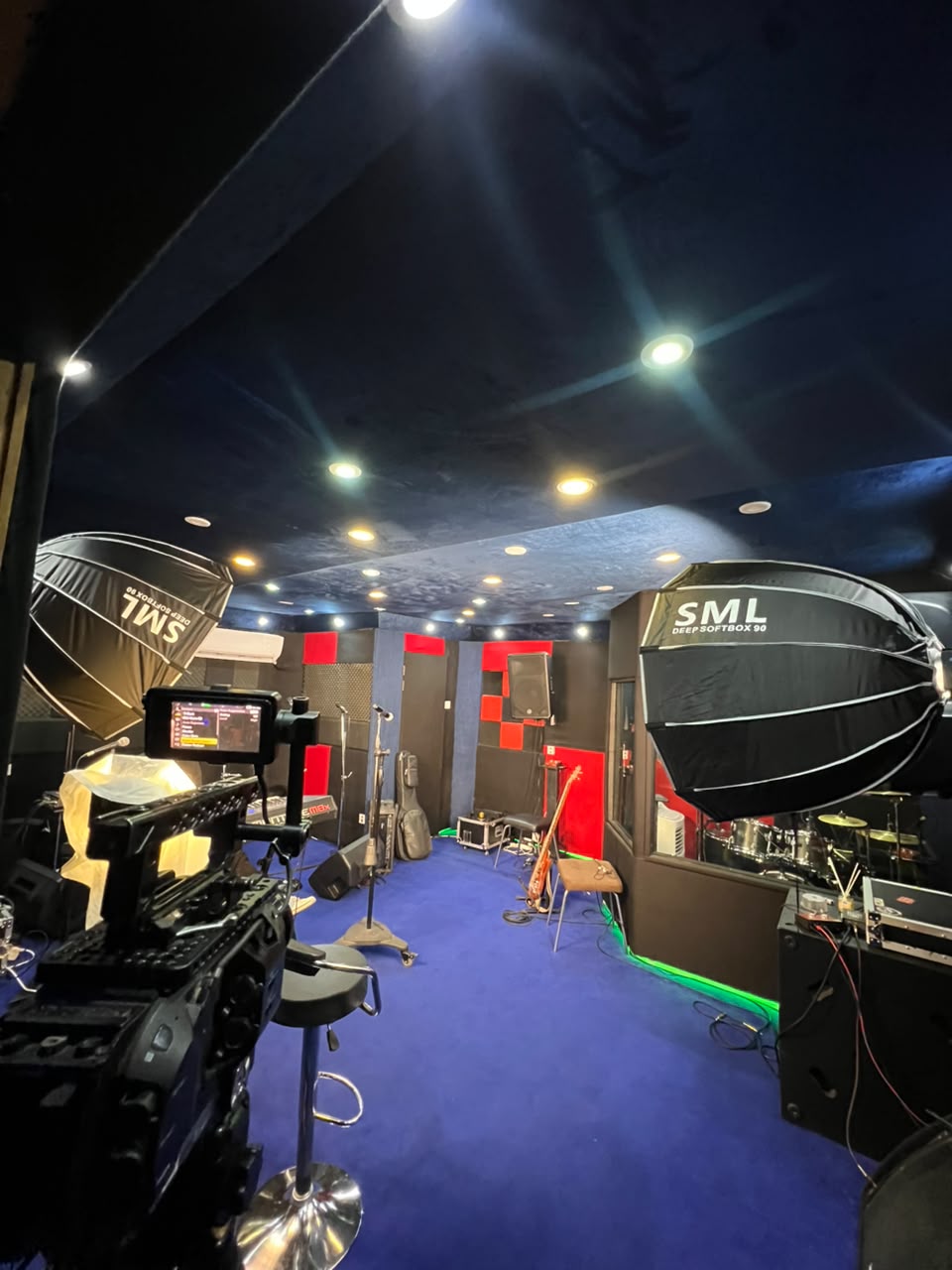
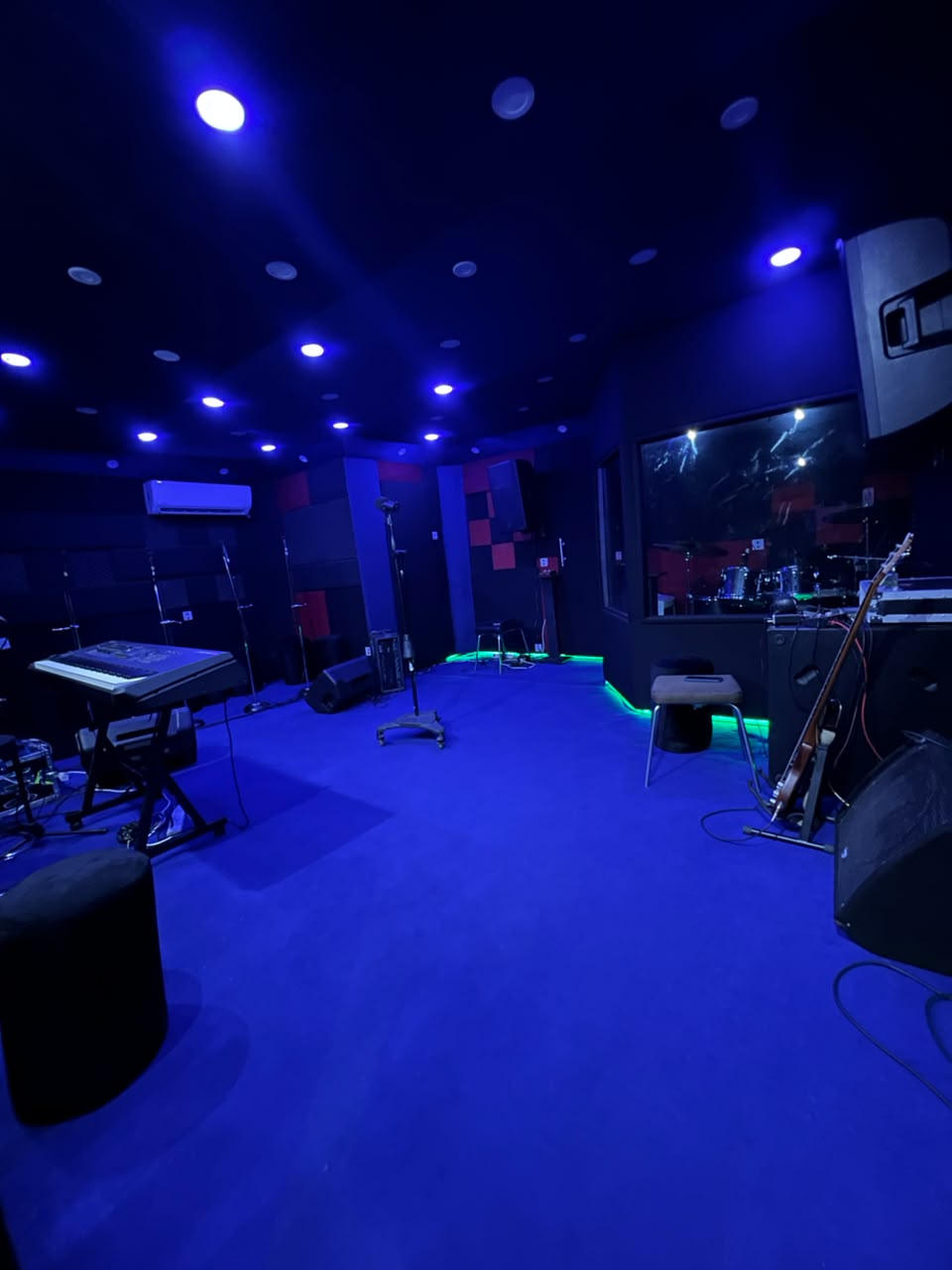
Live sound often takes place in rehearsal rooms, churches, event spaces and concert venues. The engineer must work with the room's acoustics, background noise, speaker positions and the volume of the performers.
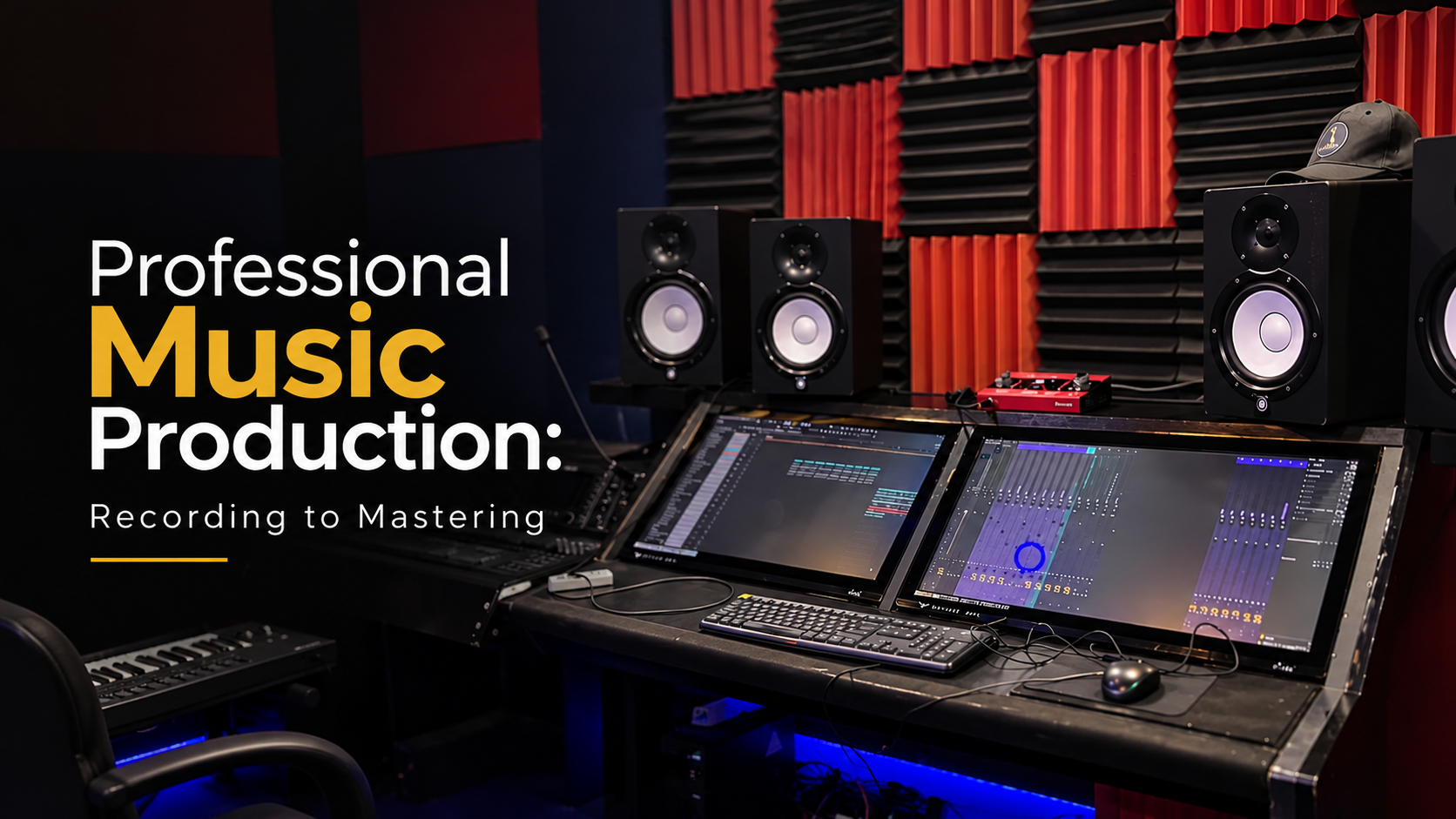
A recording studio offers greater control over the recording environment, although microphone placement, room reflections and sound leakage still need attention.
- Monitoring
During live sound, musicians may use stage monitors, in-ear monitors or speakers to hear themselves and other performers. The engineer must balance what performers hear with what the audience hears, when an audience is present.
During studio recording, musicians commonly use headphones to hear the backing track and other performers. Studio monitors or headphones are then used to evaluate the recorded material during playback and mixing.
- Correcting problems
Live sound issues often require quick adjustments. During a rehearsal, an engineer may have time to reposition a microphone, adjust the monitor mix or reduce an instrument's volume before the band continues.
Studio recording allows opportunities to repeat takes, edit sections and refine tracks during mixing. However, the amount of correction possible depends on the quality of the original recording.
Neither process replaces the other. A studio session can involve live monitoring, and a live performance can be recorded for later production.
Why Live Sound Matters During Rehearsals
Live sound is important whenever rehearsals involve amplified vocals or instruments. A poor balance can make it difficult for musicians to hear one another, even when everyone is playing well.
Consider a band rehearsing with drums, keyboards and a lead vocalist. The singer says they cannot hear their voice clearly. Increasing the microphone level might help initially, but it could also cause feedback if the microphone picks up sound from a nearby speaker.
A better approach is to identify the source of the problem first. The engineer can assess instrument levels, adjust the monitor mix and check microphone and speaker positions. The aim is to improve vocal clarity without creating feedback or making the overall sound unbalanced.
This illustrates an important difference between simply setting up equipment and managing sound effectively. A suitable rehearsal environment helps musicians concentrate on timing, coordination and performance rather than struggling to hear themselves.
For additional guidance, see Shure's Audio Systems Guide for Music Educators.
Which Setup Do You Need?
The right setup depends on your immediate goal.
- For band rehearsals: Choose a space with appropriate sound equipment and monitoring so musicians can hear one another clearly.
- For concerts and events: Live sound support helps deliver balanced audio to performers and the audience.
- For singles, EPs and albums: Studio recording provides the opportunity to capture performances for editing and production.
- For a project involving both: Rehearsal sound and recording need to be planned for their different purposes, even when the same musicians and instruments are involved.
At AUSO Entertainment Studios, musicians can explore rehearsal facilities, audio recording and production, and mixing and mastering services to support different stages of their projects.
Frequently Asked Questions
Is live sound used during rehearsal?
Yes. Rehearsals that use amplified vocals or instruments may need microphone-level adjustments, monitoring and feedback control, even when there is no audience.
Does every band rehearsal need a sound engineer?
Not necessarily. A simple acoustic rehearsal may need little technical support. An engineer can be particularly useful when a band uses several microphones, amplified instruments or more complex monitoring.
What is the difference between live sound and live recording?
Live sound focuses on delivering clear, balanced audio in real time. Live recording captures a performance for playback or further production. Both processes can take place during the same session.
Do recordings always need mixing and mastering?
The work required depends on the recording and its intended use. Mixing balances and shapes recorded tracks, while mastering prepares the final mix for distribution. Not every project requires the same level of processing.
Ready to book your session?
Recording, mixing and mastering, rehearsal space, live sessions, and podcast production — all under one roof in Ikeja, Lagos.
Book Studio Time