Soaking Worship Recording: What Your Studio Needs
What Soaking Worship Sessions Require From a Studio
A soaking worship session requires a studio that can capture extended performances while preserving vocal clarity, instrumental detail and the natural flow of the music. Key requirements include suitable recording equipment, clear monitoring, careful microphone placement and enough time for soundcheck and recording.
Unlike a conventional song recording, a soaking worship session may move from quiet vocals and gentle instrumentation to spontaneous singing, extended instrumental passages and full-band worship. The recording setup must accommodate these changes without losing important details or rushing the performance.
What Makes Soaking Worship Recording Different?
Soaking worship is an extended form of worship centered on prayer, reflection and sustained musical expression. Some sessions follow a planned arrangement, while others leave room for spontaneous transitions.
These changes require careful preparation. A quiet keyboard passage, for example, should remain audible when the music builds, while vocal details should not disappear beneath the instruments. The aim is to capture the complete performance without making every section sound equally loud or removing the character of the music.
What Does a Studio Need for Soaking Worship?
1. Multitrack recording
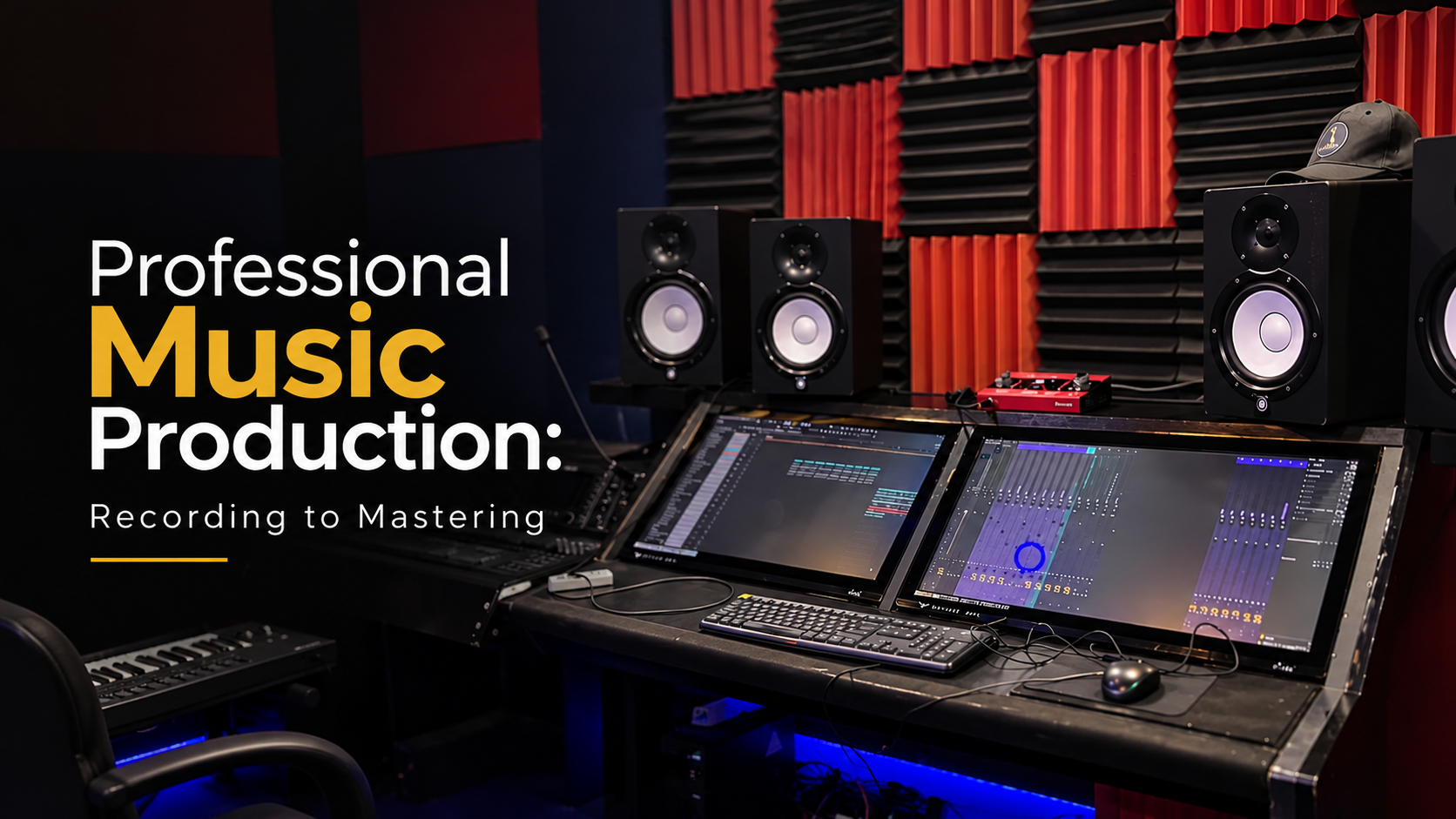
Multitrack recording captures individual audio sources on separate tracks rather than combining everything into one stereo file. Depending on the setup, these sources may include lead vocals, backing vocals, drums, bass, keyboards and guitars.
Separate tracks allow the mixing engineer to adjust individual sources. If the drums overpower the vocals or a keyboard needs to be reduced, the engineer can address that source without unnecessarily changing the entire recording.
This flexibility is particularly useful when preparing a longform worship session for online publication or commercial release.
2. Clear monitoring and careful microphone placement
Musicians need to hear one another clearly to maintain timing, pitch and coordination. A proper soundcheck helps establish suitable monitoring levels before recording begins.
Microphone placement also affects the final result. Drums and amplified instruments can spill into vocal microphones, limiting how independently each source can be controlled during mixing. Some bleed is natural in live recording; the goal is to manage it without compromising the performance.
3. Time for setup, recording and transitions
A longform session needs more time than the final recording duration alone suggests. The schedule should account for setup, soundcheck, rehearsal, recording and necessary retakes.
The worship leader and recording team should agree on musical cues, transitions and any planned breaks beforehand. Spontaneous worship can still happen naturally, but the musicians need enough shared understanding to respond without unnecessary confusion.
For longer sessions, the recording team should also plan track organisation, file storage and backups to protect the performance.
4. Mixing that preserves the musical dynamics
The final mix should reflect the changes in the performance rather than flattening everything into one constant level. The engineer balances vocals against instruments, manages changes in loudness and can use volume automation to keep quieter passages clear while controlling louder sections.
Editing may be necessary, but cuts between sections should sound natural. Mastering then prepares the finished audio for its intended release format.
Why Rehearsal Matters Before Recording
Rehearsal gives the worship team time to work through arrangements, keys, transitions and dynamics. It also helps identify sections that need additional preparation before the recording session.
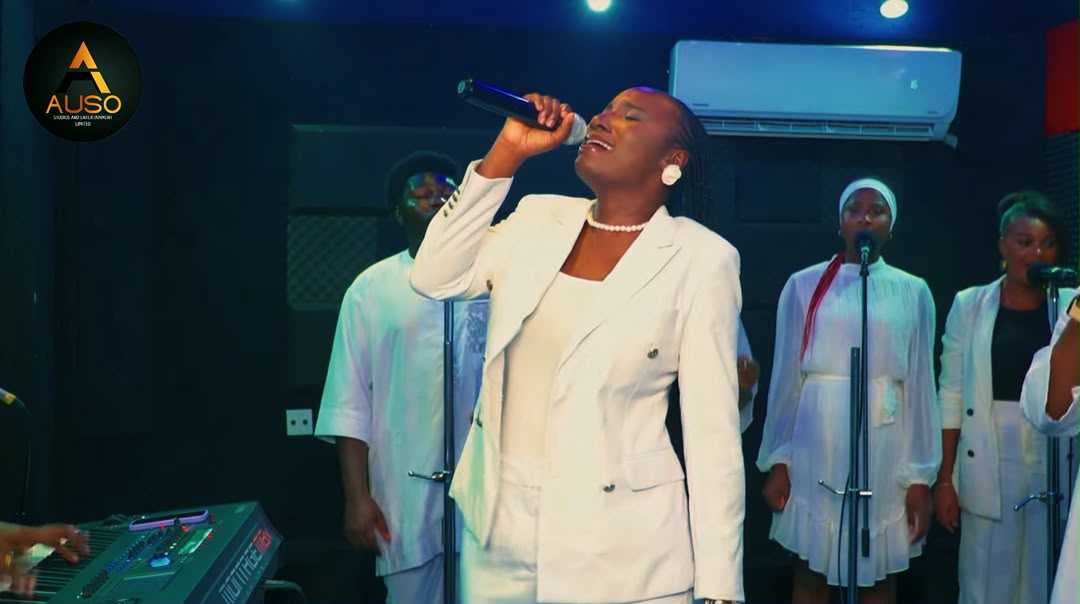
This is particularly valuable for choirs, worship bands and teams with several instrumentalists. When performers understand the musical direction, they can respond more confidently to spontaneous changes without losing coordination.
The goal is not to plan every moment rigidly. It is to establish enough musical understanding for the team to perform naturally.
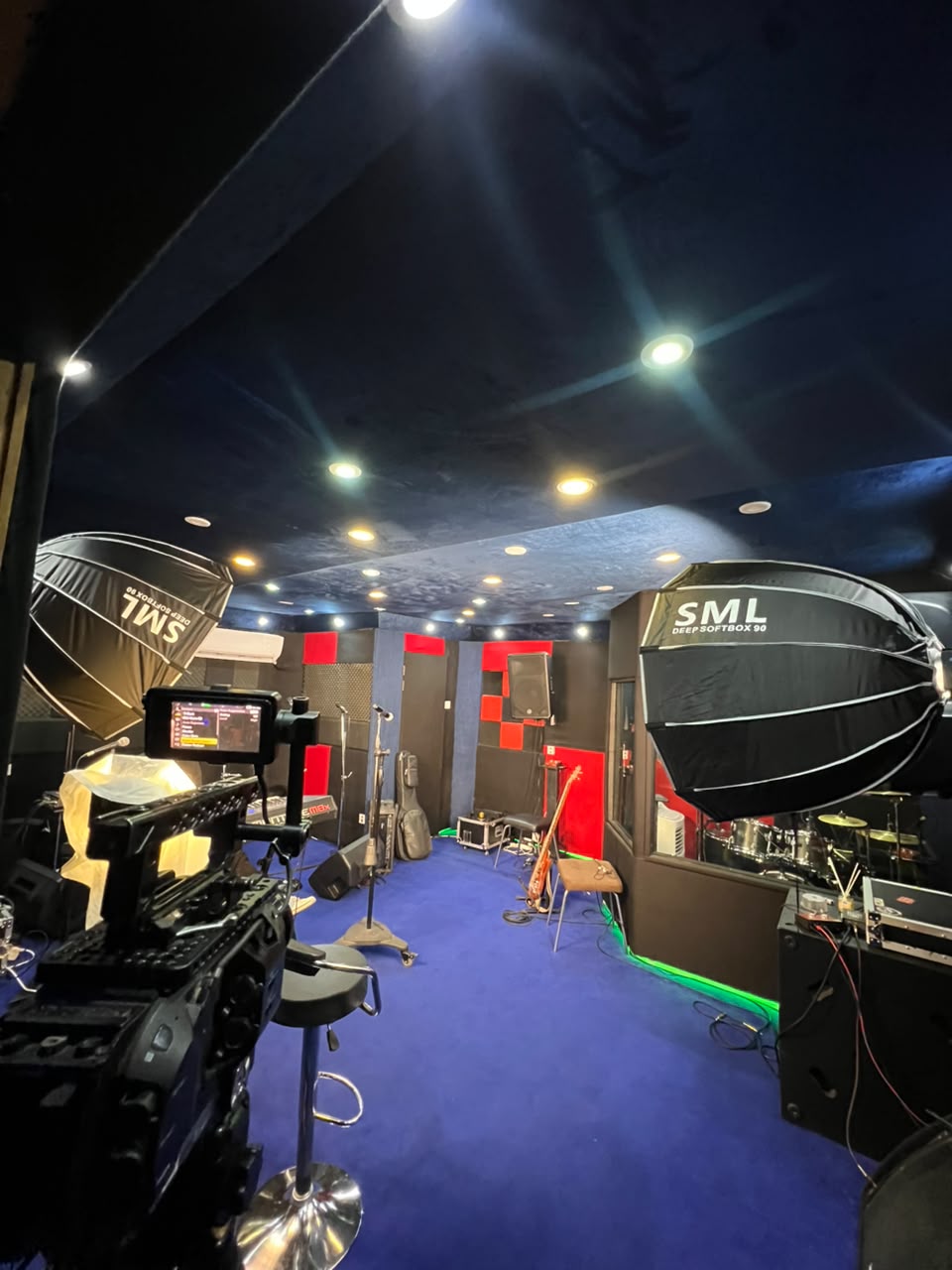
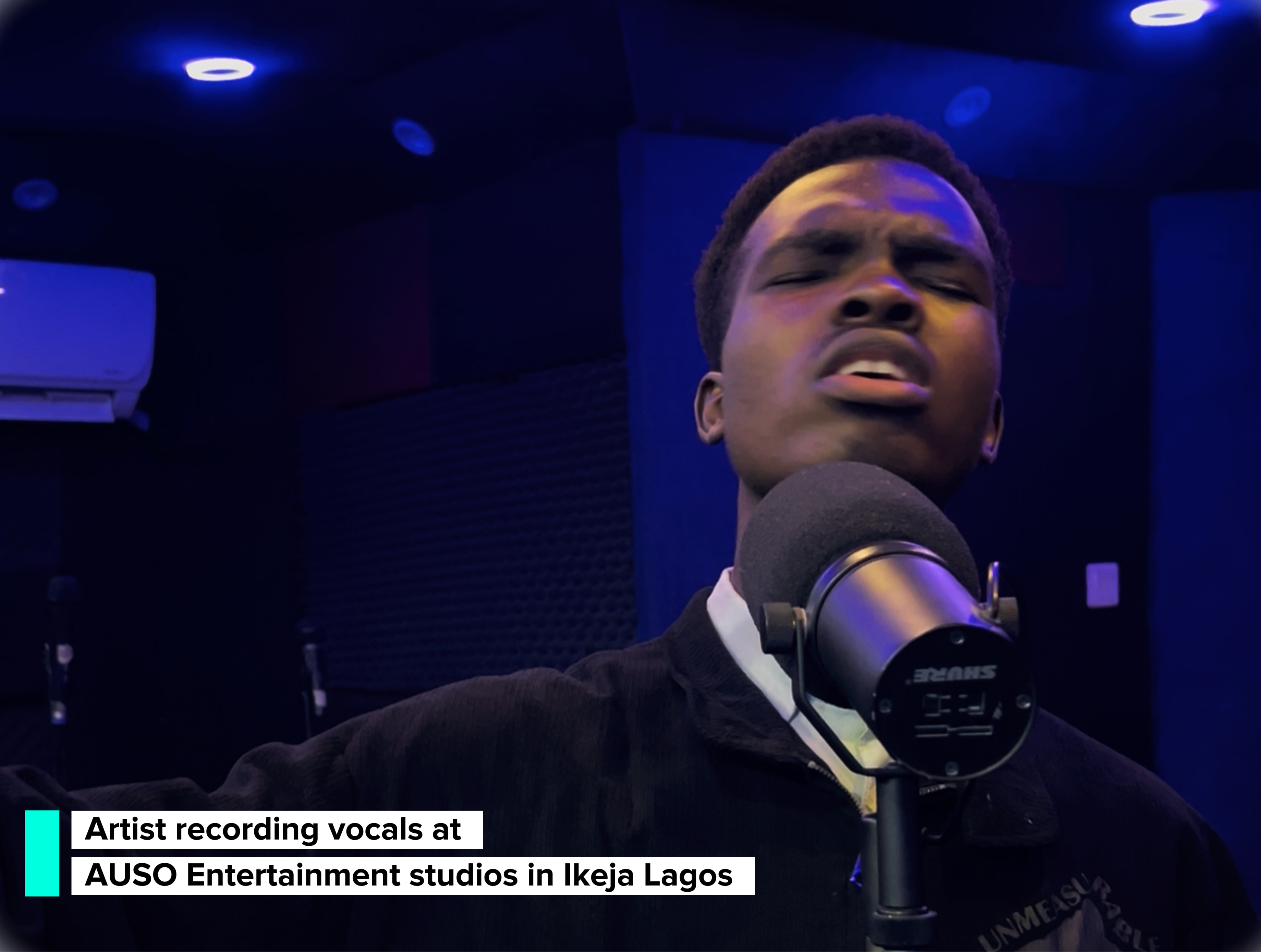
AUSO Entertainment Studios in Ikeja, Lagos, offers rehearsal services alongside live session recording and audio production, supporting the preparation and production stages of a music project.
How AUSO Supports Longform Live Recording
Planning a longform worship session begins with understanding the project: the number of performers, expected duration, musical arrangement and intended release format.
AUSO offers rehearsal, live session recording, mixing and mastering services. Rehearsal helps the team prepare; recording captures the performance; and post-production shapes the audio for release. Discussing the project before booking helps clarify the session requirements and the work needed afterward.
For worship leaders and gospel artists, this preparation provides a clearer path from rehearsal to a finished recording while leaving room for the music to develop naturally.
Frequently Asked Questions
What equipment is needed to record a live worship session?
Requirements depend on the number of performers and the recording method. Typical equipment includes suitable microphones, audio inputs and recording hardware or software, monitoring equipment and a system for storing and backing up the tracks.
How long should a soaking worship session be?
There is no fixed duration. The length depends on the worship team's musical direction and the intended listening experience.
Should a worship team rehearse before recording?
Yes. Rehearsal helps performers prepare arrangements, transitions and dynamics, reducing avoidable interruptions during recording.
Can a soaking worship session be recorded in one take?
Yes. A soaking worship session can be recorded continuously from beginning to end to preserve the natural flow of the music, including spontaneous singing and instrumental transitions. If mistakes occur, the team can decide whether to continue or record the affected section again. The recording can also capture vocals and instruments on separate tracks, giving the mixing engineer more control over the final sound.
Ready to book your session?
Recording, mixing and mastering, rehearsal space, live sessions, and podcast production — all under one roof in Ikeja, Lagos.
Book Studio Time